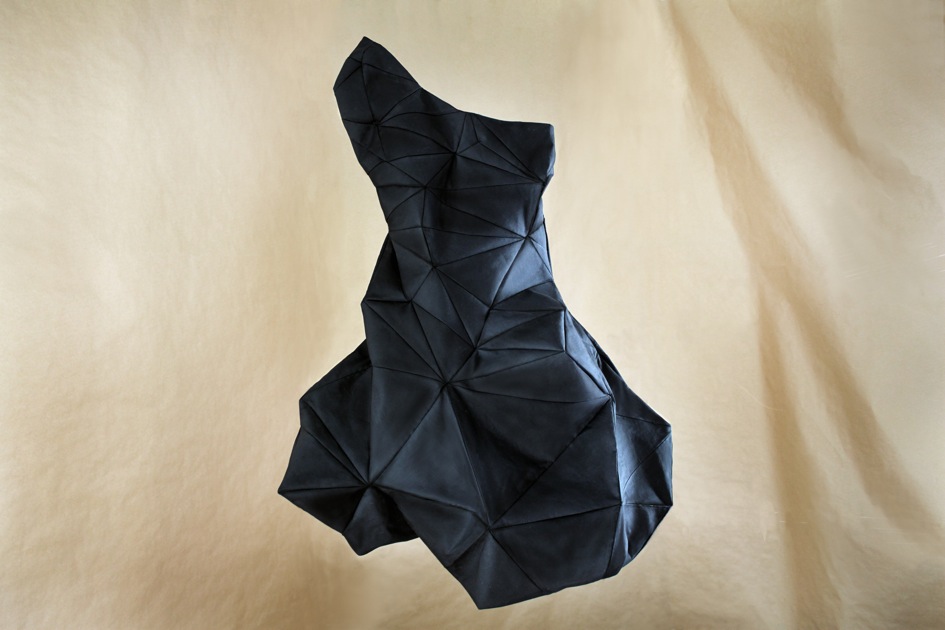
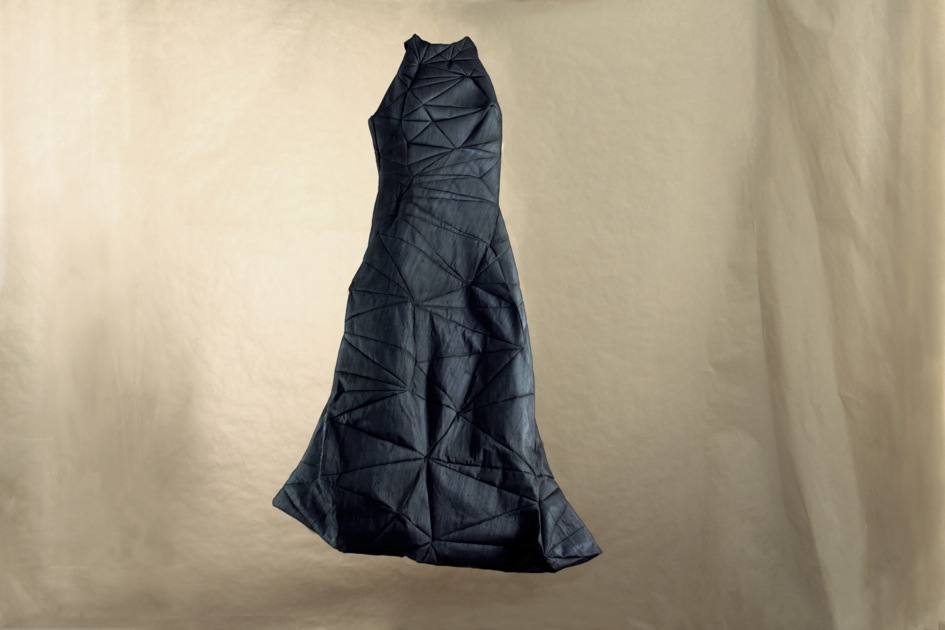
D.dress (2010) is a computational fashion work by designer and researcher Mary Huang. Rather than presenting a single finished garment, it presents a process for generating dresses.
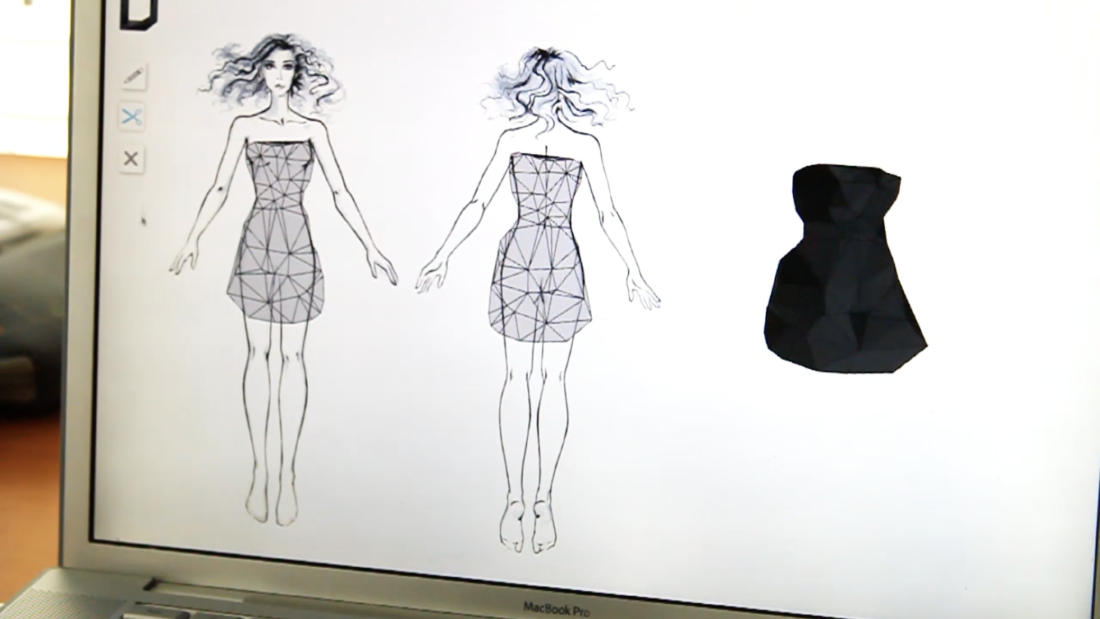
Users draw the shape of a dress on screen. An algorithm turns that input into a triangular mesh structure, previews it as a 3D model, and can unfold it into flat pattern pieces for cutting and sewing.
Why It Matters
D.dress reframes fashion as a computational structure rather than a fixed object. The garment becomes the result of interaction, algorithm, body, and material constraints.
Design Lessons
- The interface can be part of the work, not only a tool.
- Generative design connects user input and manufacturable output.
- Digital form and physical fabrication must be considered together.
- Fashion can be treated as a variable system.
Summary
D.dress is an important example of computational fashion and data/material translation. It shows how algorithmic design can turn a drawn gesture into a wearable physical form.