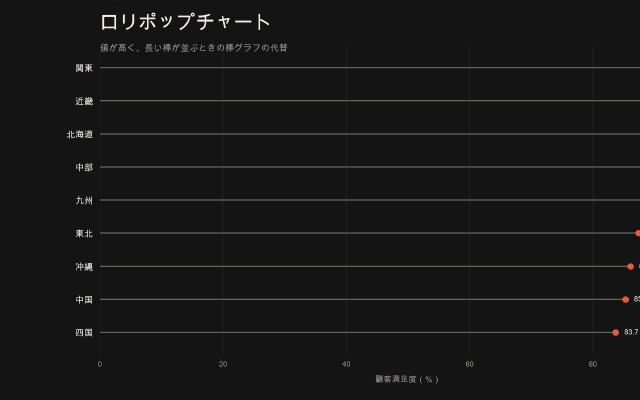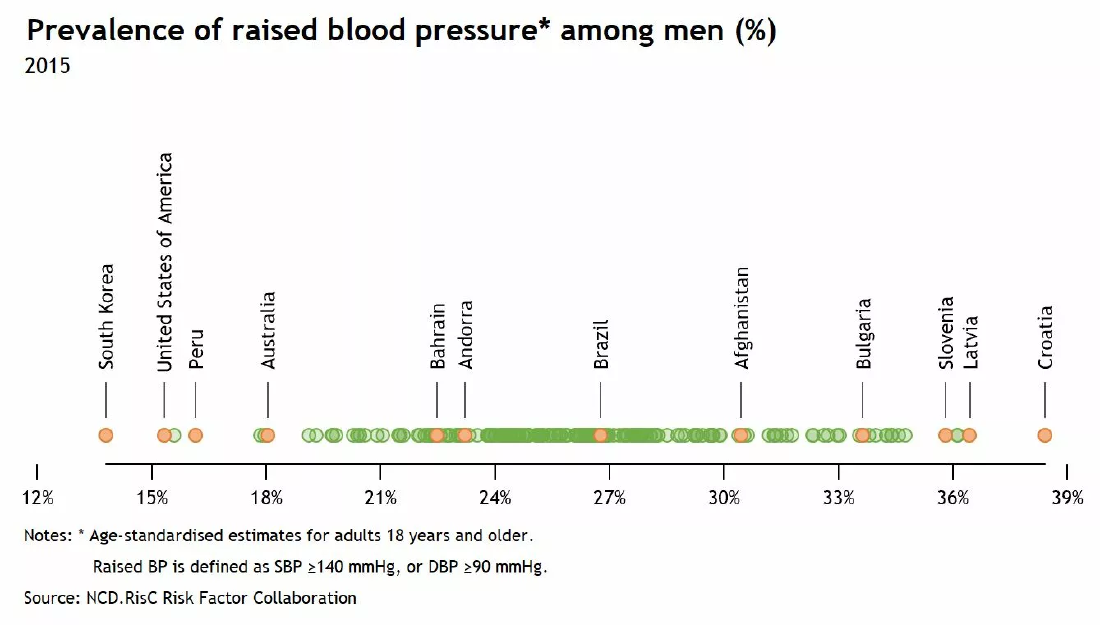
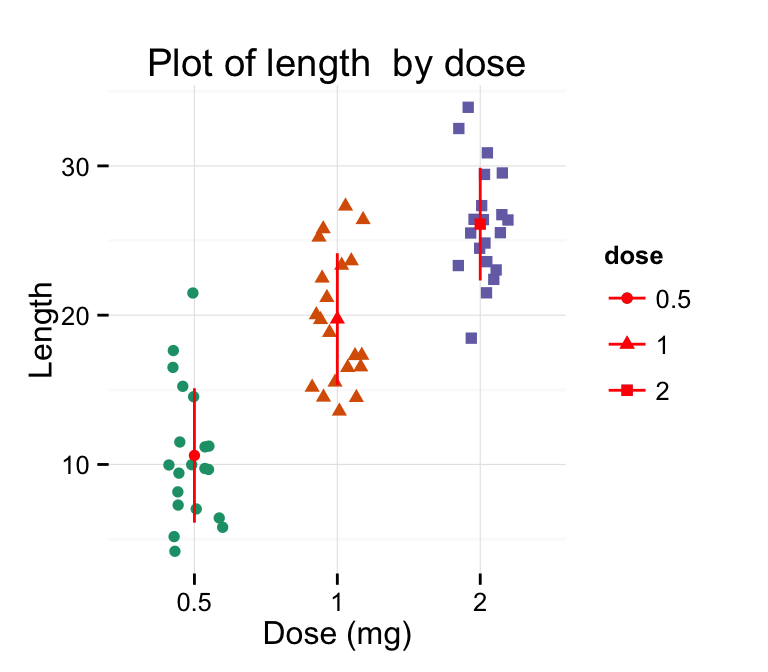
A strip chart records or displays data continuously over time, often as a line updated in real time. The term also refers to charts that show individual data points as a continuous strip across time or categories. The common idea is to make ongoing change visible.
Historical Background
Strip charts originated in physical strip chart recorders used for industrial measurement, medical monitoring, and experiments. A moving paper strip recorded changing values as a continuous trace. The idea later carried over into digital monitoring displays and statistical plots.
Use Cases
- Industrial sensor monitoring
- Medical and laboratory measurement
- Real-time system dashboards
- Time-series inspection
Design Notes
- Keep time scale and sampling rate clear.
- Use alerts or bands for important thresholds.
- Avoid overplotting too many signals.
- Preserve enough history for context.
Summary
Strip charts are practical tools for monitoring change as it happens. Their value comes from continuity and immediacy.