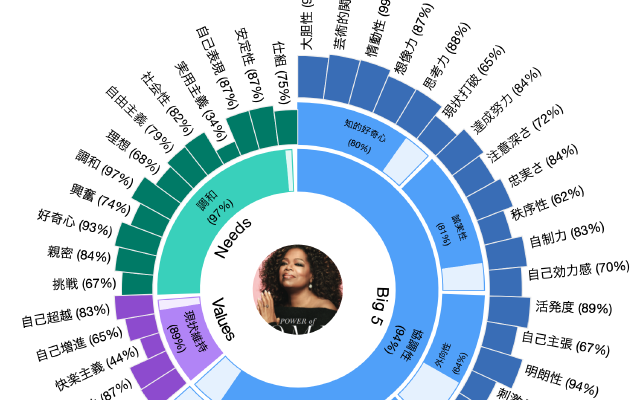
A sunburst chart visualizes hierarchical data in a circular layout. The root sits at the center, and each outer ring represents a deeper level in the hierarchy. It can be understood as a radial treemap or a multi-level pie chart.

Background
Sunburst charts developed from the broader history of compact hierarchy visualization. Their lineage includes early concentric classification diagrams, financial diagrams, and information-visualization research.
Important historical threads include:
- Late nineteenth century: Lawrence W. Fike’s zoological concentric chart, which arranged biological taxonomy in rings.
- 1921: a “sunburst diagram” in Mechanical Engineering showing U.S. federal spending.
- Around 2000: John Stasko and Georgia Tech research introduced radial space-filling views for exploring file systems and other hierarchies.
The form became widely used with web visualization, especially through D3.js and Mike Bostock’s partition layout.
Data Structure
Sunburst charts require tree-structured data.
| Element | Meaning |
|---|---|
| Root node | Top-level category |
| Child node | Subcategory |
| Arc | Visual representation of a node |
| Angle or area | Quantitative value |
Purpose
The goal is to show how parts belong to a whole across multiple levels. Sunburst charts are useful for product categories, file systems, organizational structures, website navigation, and hierarchical budgets.
Strengths
- Shows hierarchy depth through radius.
- Provides a compact overview.
- Makes parent-child relationships visually intuitive.
- Works well with interaction, such as click-to-zoom.
Limitations
- Deep hierarchies make the outer rings crowded.
- Exact comparison is difficult because values are encoded by angles and arcs.
- Node ordering can affect interpretation.
- User studies do not always favor sunburst charts for precise tasks.
How to Read It
The center is the highest-level category. Moving outward means moving down the hierarchy. Arc length usually represents value, and color separates categories or branches.
Design Notes
- Use related colors for parent and child nodes.
- Use tooltips or hover labels for outer rings.
- Keep the hierarchy shallow when possible.
- Use interaction when detailed comparison matters.
Alternatives
| Chart | Feature |
|---|---|
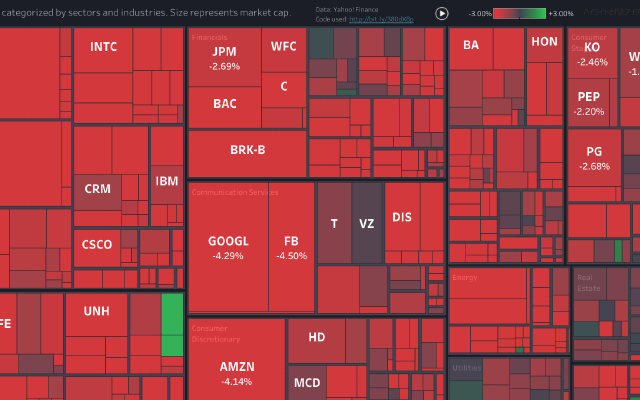
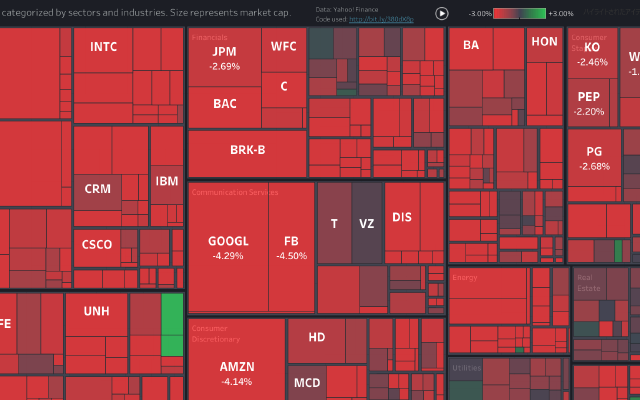
| Treemap | Rectangular space-filling hierarchy |
| Circle packing | Nested circles for hierarchy |
| Flare chart | Radial node-link tree |
Summary
The sunburst chart is a visually strong method for exploring hierarchical data. It is best used when the shape of the hierarchy matters more than exact value comparison.